Projects

01Research platforms

1.1

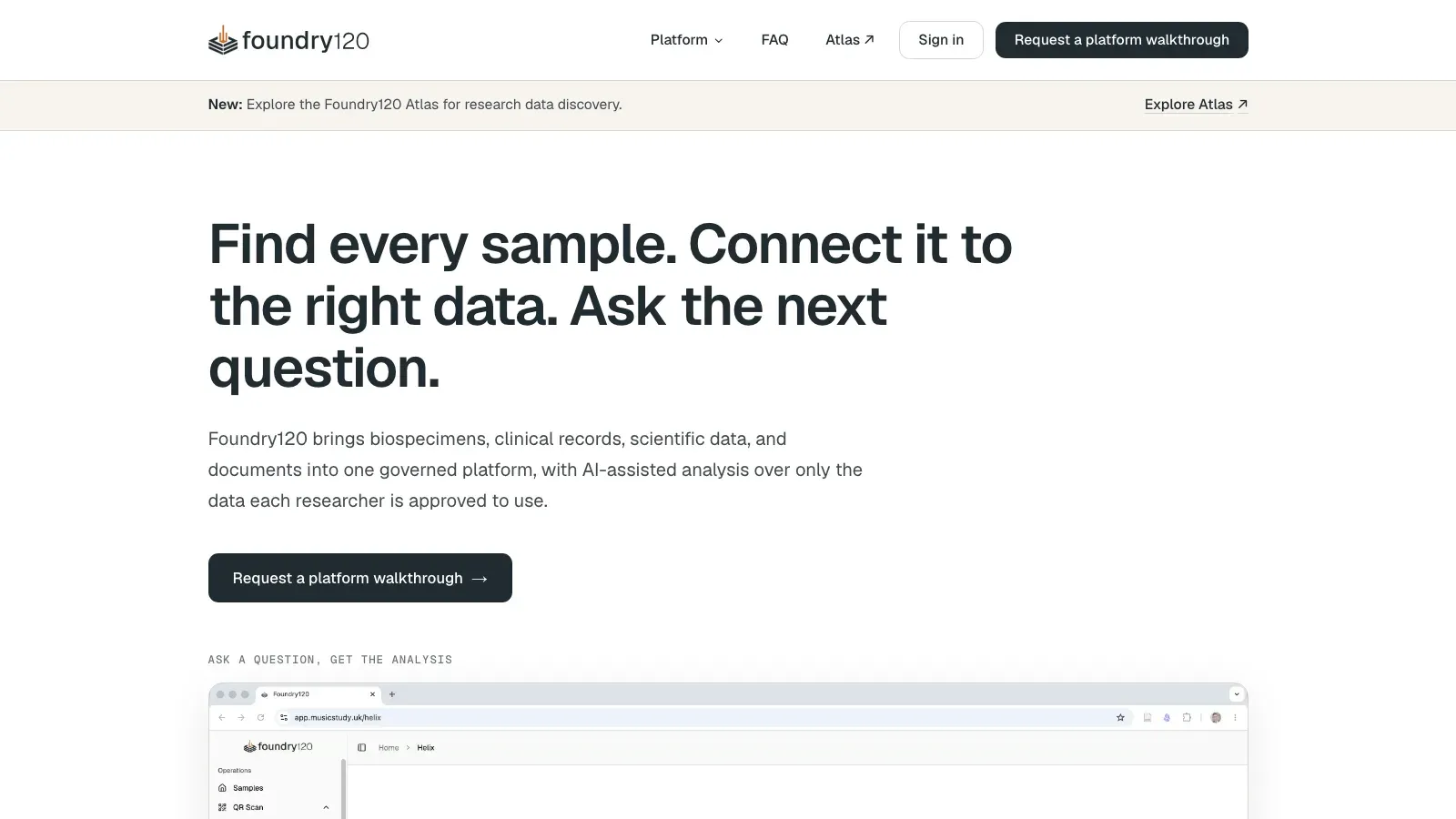
Foundry120 is a research operating system for translational science. It keeps sample tracking, clinical data, omics and documents in one governed environment, so a study team can follow a sample from the freezer box to an analysis-ready cohort.

It started life as G-Trac, a QR-code sample tracker I built for the MUSIC IBD study. It has since grown to support multiple studies and sites, and now has three layers: G-Trac for sample operations, a central research data layer, and Helix, an AI assistant for grounded querying, cohort discovery and analysis. I designed and built it, and lead its development. I wrote about why we built it in Building the Research Operating System We Needed, talked through it on Talk Python To Me, episode 560, and presented it at the Microsoft Academic Research Exchange.
1.2

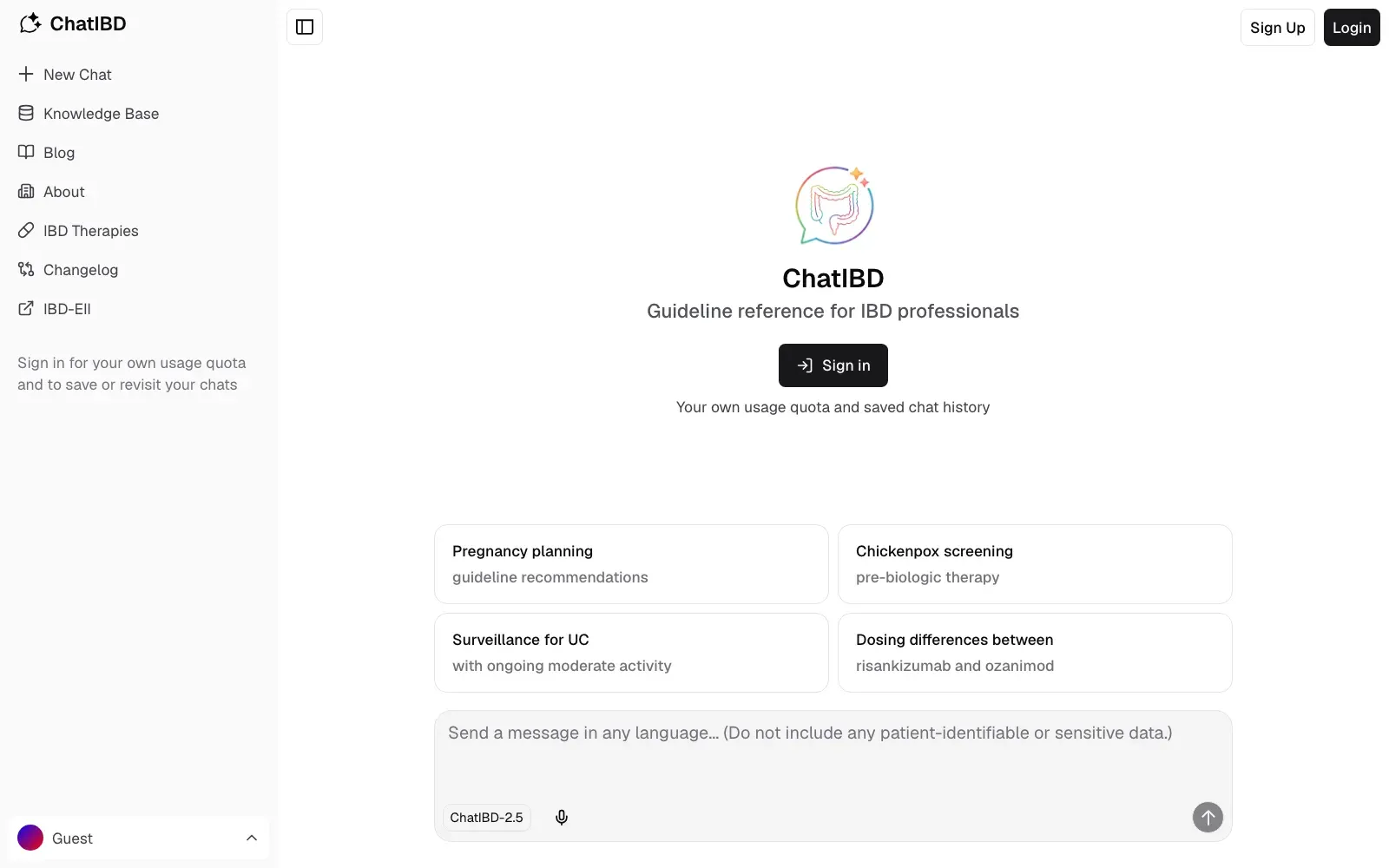
ChatIBD is an AI guideline assistant for clinicians who manage inflammatory bowel disease. It answers clinical questions from current IBD guidelines and cites the passages it used, with verified dosing information for adult and paediatric regimens. Clinicians can flag an answer and every answer can be traced to the sentence of the guideline corpus behind it.

I built ChatIBD and lead the project. I write about its development on the ChatIBD blog.

02Clinical studies

I helped set up these studies as part of Prof Gwo-Tzer Ho's Gut Translational Research Group at the University of Glasgow, and built their websites.

2.1

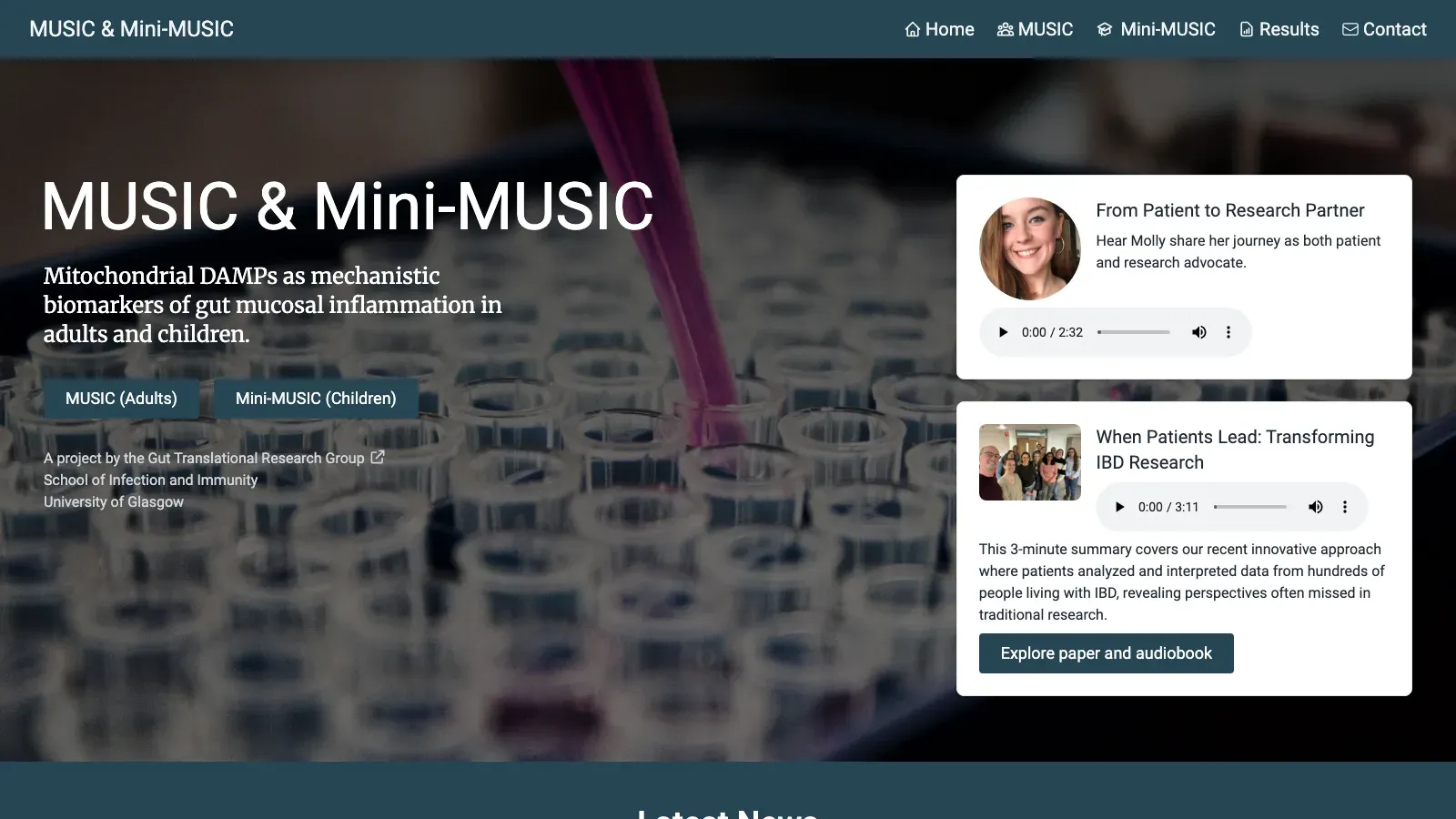
MUSIC (with its paediatric arm, Mini-MUSIC) is a multi-centre, prospective cohort study investigating mitochondrial DAMPs as biomarkers of gut inflammation in IBD. Since 2020 it has recruited newly diagnosed adults and children across Glasgow, Edinburgh and Dundee, with a target of 250 patients, and followed them from active disease onwards. The study website has information for participants, our latest results, and audio summaries of our research made with our patient involvement group.

2.2

MARVEL Study

marvelstudy.uk →

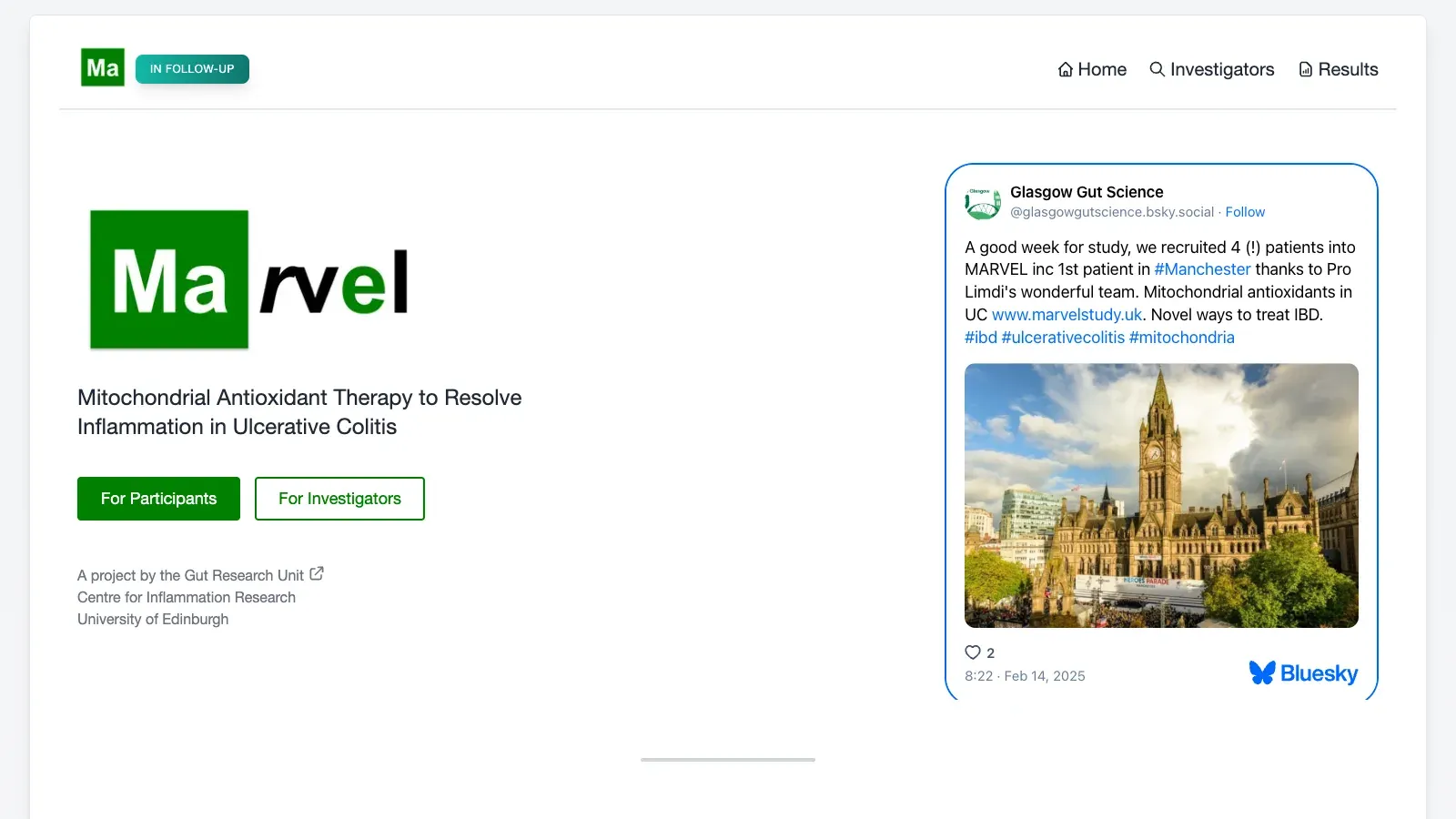
MARVEL is a UK multi-centre phase 2 randomised controlled trial of MitoQ, a mitochondria-targeted antioxidant, in adults with ulcerative colitis. It plans to recruit 250 patients, and its primary outcome is clinical response and remission at week 24. The study website explains who can take part and lists the participating centres and study team.

03Community

3.1

Foundry120 Atlas

atlas.foundry120.com →

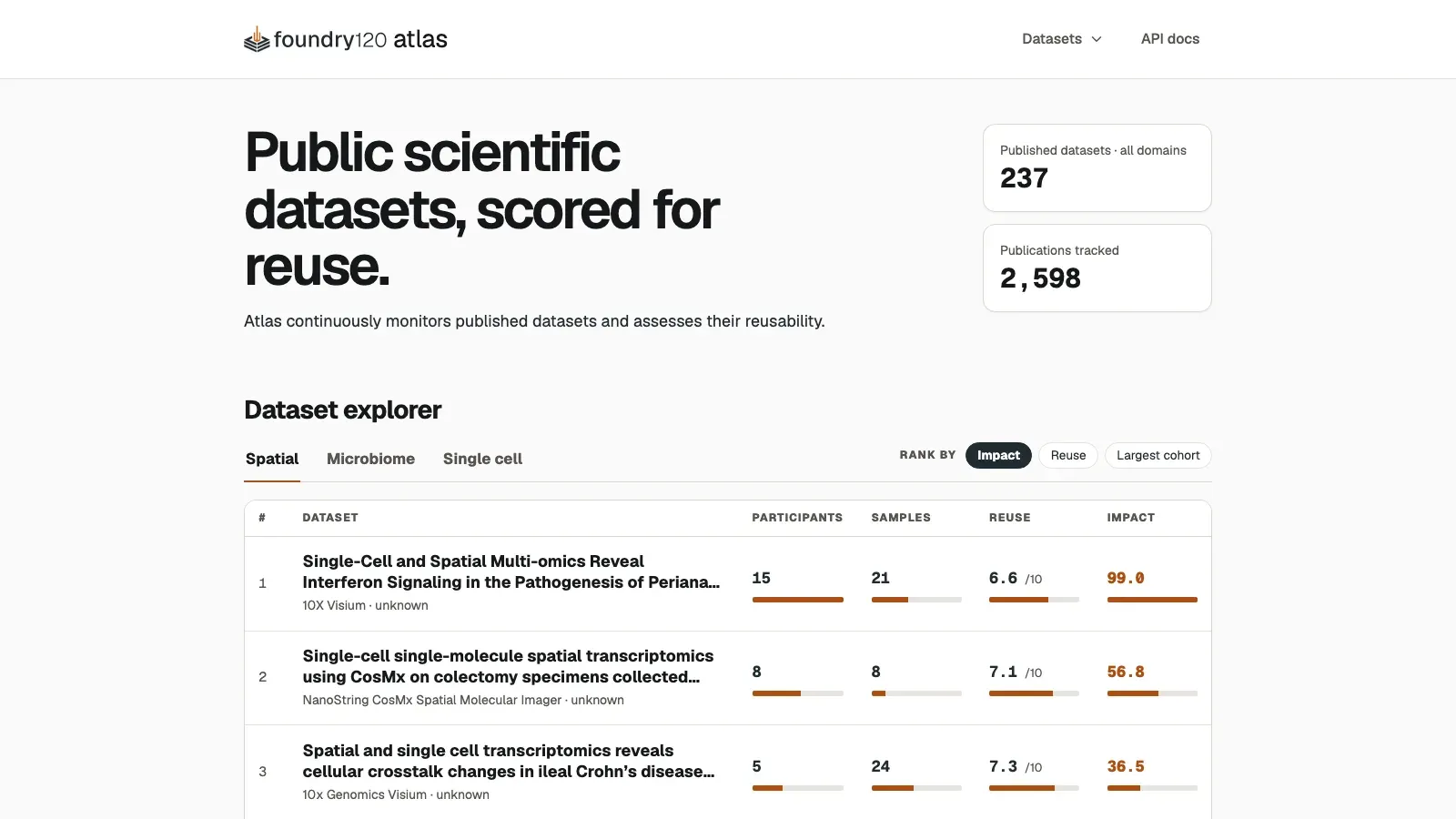
Foundry120 Atlas is an open index of public inflammatory bowel disease datasets, scored for how ready they are to reuse. It checks sources such as Europe PMC, NCBI GEO, ArrayExpress and CELLxGENE every day, extracts each dataset’s key metadata, and scores it from 0 to 10 on cohort clarity, sample traceability, data completeness, internal consistency and accessibility. It currently covers IBD spatial transcriptomics, microbiome and single-cell datasets.

3.2

Gut Liver Glasgow

gutliverglasgow.com →

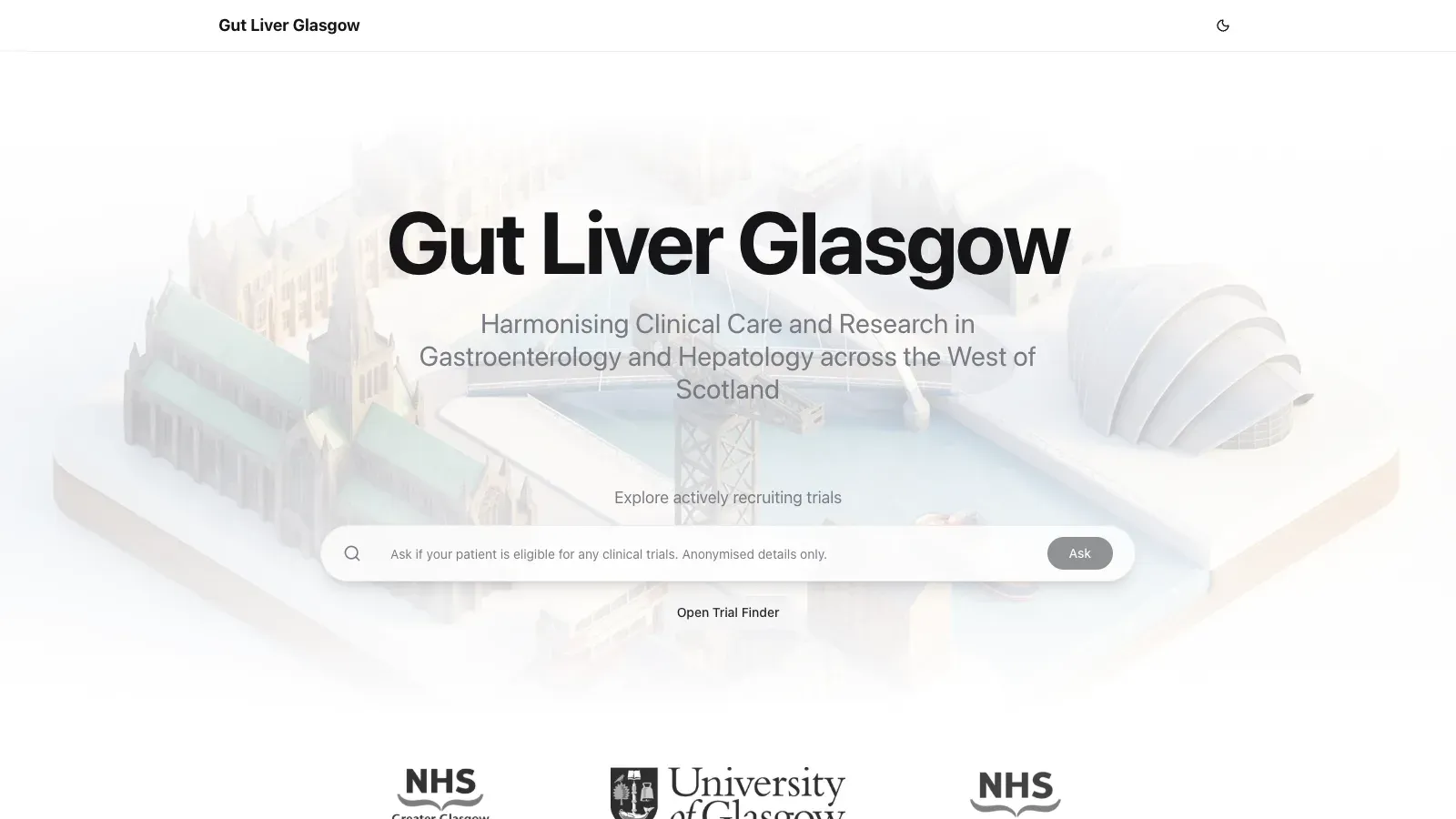
Gut Liver Glasgow is a website for gastroenterology and hepatology clinicians, trainees and researchers in the West of Scotland. Its trial finder is an early prototype: a clinician describes an anonymised patient, and an AI assistant suggests recruiting studies the patient might be eligible for. The site also lists education events such as the West of Scotland GI Teaching Day. I built it as part of a project with my GI colleagues in Glasgow.

3.3

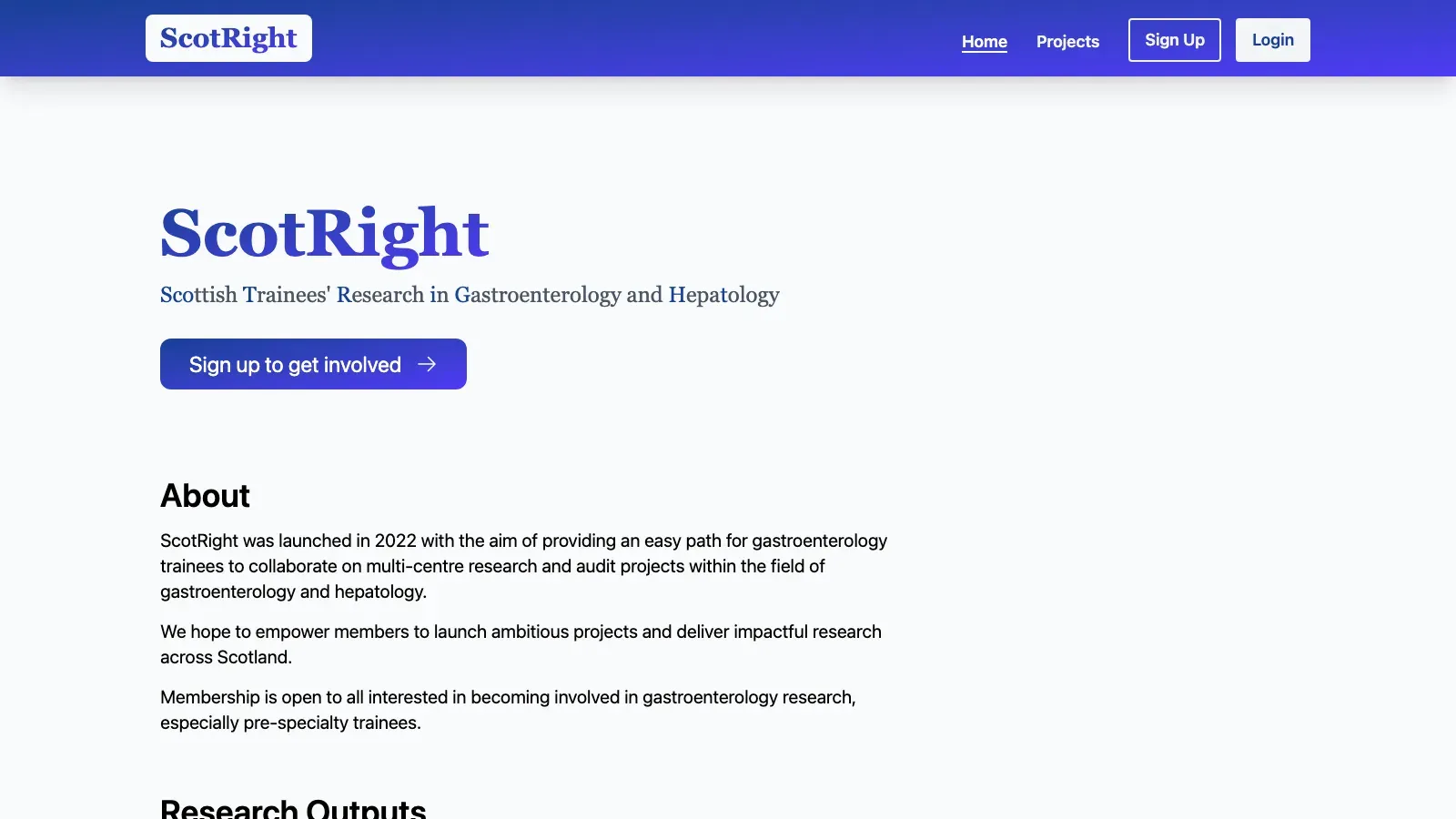
ScotRight (Scottish Trainees’ Research in Gastroenterology and Hepatology) is a trainee research network that launched in 2022. It gives gastroenterology trainees across Scotland an easy way to join multi-centre research and audit projects. Membership is open to anyone interested, especially pre-specialty trainees. I was part of the founding team and set up the network’s web services, including membership, the newsletter and consent management.

04Teaching

4.1

Software Engineering for Science

Course materials →

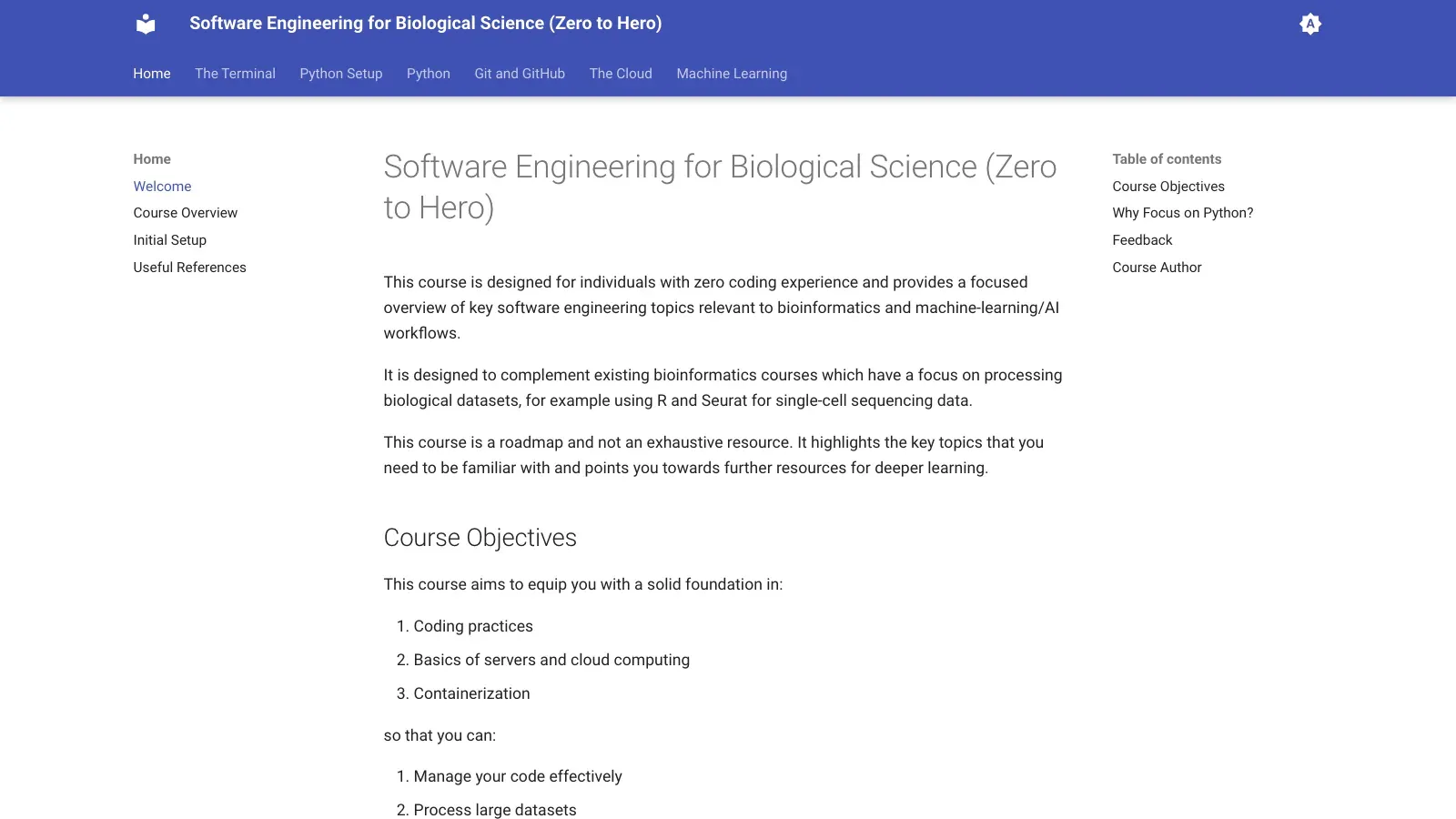
Software Engineering for Science is a course for new members of our research team who have no coding background, such as registrars starting out-of-programme research. It covers the software engineering practices that make research code reliable and reproducible. The companion reference site is open to everyone.